
Weeknight dinners can feel surprisingly complicated when work, errands, family responsibilities, and everyday life compete for your attention. Adding more protein to the menu doesn't have to mean spending an hour cooking chicken breasts or preparing elaborate meal-prep containers every Sunday. Simple ingredients can turn into filling, flavorful dinners with minimal chopping, cooking, and cleanup.
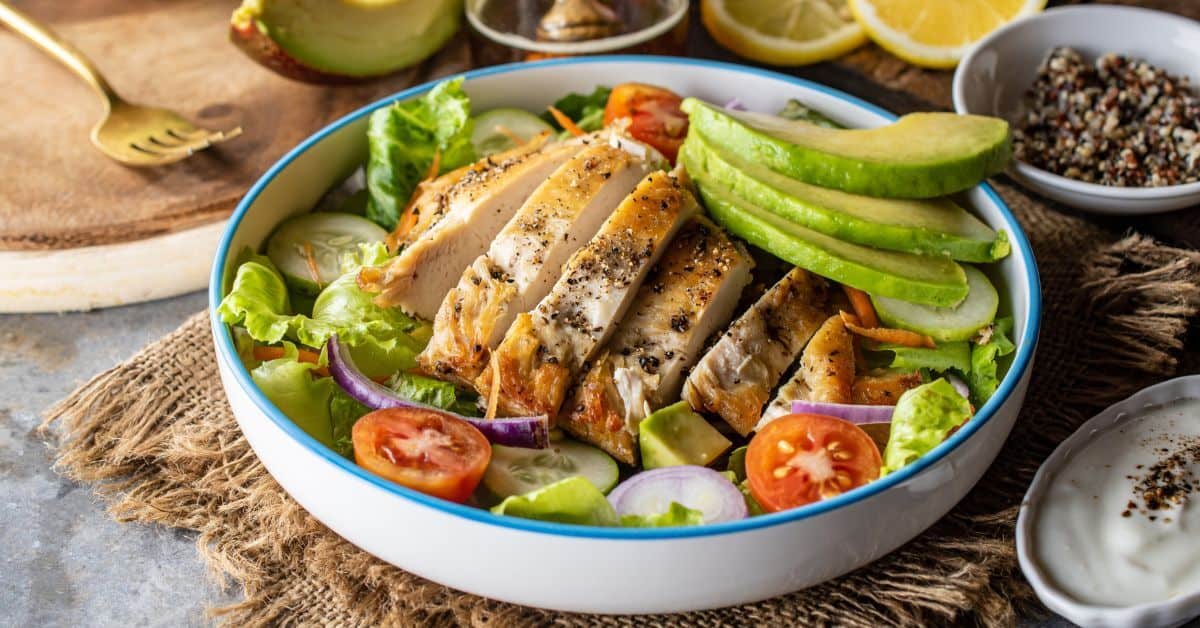
The secret is keeping versatile protein sources on hand and pairing them with convenient vegetables, grains, sauces, and seasonings that make healthy eating feel manageable. Try out these easy, high-protein meals for hectic weeknights to stay on track with your health and wellness goals.
Start With Proteins That Cook Quickly
Choosing proteins that cook quickly can make the biggest difference when dinner needs to reach the table fast. Eggs, shrimp, thin chicken cutlets, ground turkey, canned beans, tofu, and fish fillets can all work well for weeknight meals.
Many of these options cook faster than it takes to prepare a complicated side dish. Keep two or three favorites on hand each week so you always have an easy starting point for dinner.
Frozen and shelf-stable proteins also provide valuable backup when your original dinner plans fall apart. Frozen shrimp thaws quickly, canned tuna requires no cooking, and beans can go straight into soups, salads, tacos, or grain bowls.
Rotisserie chicken also saves considerable prep time when you need something ready to eat right away. Convenience matters because a realistic healthy dinner usually beats an ambitious recipe that you never have time to make.
Turn Seafood Into a Fast Dinner
Seafood works especially well on busy evenings because wide varieties take only a few minutes to cook. Salmon, cod, shrimp, halibut, and other options pair easily with vegetables, rice, potatoes, pasta, or a simple salad.
You can roast a fish fillet while the vegetables cook on the same sheet pan, keeping prep and cleanup under control. A squeeze of lemon, fresh herbs, garlic, or a favorite seasoning blend can provide plenty of flavor without creating extra work.
Protein-rich seafood can also fit into eating plans where satisfying nutrition matters more than preparing a large meal. For people discussing nutrition choices with their healthcare providers, seafood is an ideal choice if you're on a GLP1 because many varieties provide substantial protein in relatively manageable portions.
Individual nutritional needs can differ, especially when medications affect appetite or digestion, so personal medical guidance should always shape dietary decisions. From a practical cooking perspective, seafood remains a convenient option for anyone who wants protein without a lengthy weeknight recipe.
Build Better Bowls Instead of Complicated Recipes
Dinner bowls simplify meal planning because they let you combine whatever ingredients you already have in the refrigerator. Start with brown rice, quinoa, couscous, cauliflower rice, or another convenient base, then add a generous protein source.
Finish the bowl with vegetables, a flavorful sauce, and something crunchy or fresh for contrast. This flexible formula makes it easy to create different dinners without learning a new recipe every night.
A Mediterranean bowl might include chicken, cucumber, tomatoes, hummus, greens, and feta over quinoa. For a Southwestern version, combine ground turkey or black beans with rice, salsa, avocado, corn, and shredded lettuce.
An Asian-inspired bowl can feature salmon or tofu with rice, edamame, shredded carrots, cucumber, and a sesame-based sauce. Changing the toppings and seasonings keeps a basic meal formula interesting throughout the week.
Keep a Few Reliable Meal Combinations Ready
Decision fatigue can make dinner harder than the actual cooking, especially after a packed day. Instead of searching for a new recipe every evening, create a short rotation of high-protein combinations that everyone in your household enjoys.
Stock the basics regularly, then swap vegetables, sauces, or seasonings for variety.
A dependable rotation might include the following combinations:
- Scrambled eggs with black beans, avocado, salsa, and whole-grain toast
- Salmon with microwaveable brown rice and roasted or steamed broccoli
- Ground turkey tacos with lettuce, tomatoes, cheese, and beans
- Greek yogurt chicken salad stuffed into whole-grain pita pockets
- Shrimp stir-fry with frozen vegetables and quick-cooking noodles
- Lentil bowls with roasted vegetables, feta, and lemon dressing
Use Your Freezer More Strategically
A well-stocked freezer can rescue dinner on evenings when grocery shopping simply did not happen. Keep frozen fish fillets, shrimp, lean meat, edamame, vegetables, cooked grains, and other useful staples that can quickly become meals.
Frozen vegetables already come washed and chopped, which eliminates two common preparation steps. Many options also cook directly from frozen, which is especially helpful if you forgot to thaw anything.
You can also freeze portions of foods you cook in larger batches, such as turkey chili, lentil soup, meatballs, or shredded chicken. Divide them into meal-sized containers so that you can thaw only what you need instead of facing a giant frozen block of leftovers.
Label containers with the contents and date to keep your freezer organized and useful. This small habit turns previous cooking effort into an easy dinner several weeks later.
Give Meatless Meals Enough Protein
High-protein dinners don't always need meat or seafood at the center of the plate. Lentils, beans, tofu, tempeh, eggs, Greek yogurt, cottage cheese, and edamame can create satisfying meatless meals.
Combining these ingredients with vegetables and whole grains gives you countless options for soups, tacos, bowls, salads, and skillet dinners. Meatless nights can also add variety when your usual chicken recipes start feeling repetitive.
Try tossing chickpeas with vegetables and seasonings before roasting everything together on one pan. Another night, scramble eggs with spinach and serve them alongside beans, avocado, and toast for a breakfast-inspired dinner.
Lentils can add substance to tomato sauce, soups, curries, and grain bowls without requiring complicated techniques. Keeping several plant-based protein sources in the pantry makes these meals especially easy to prepare at the last minute.
Prep Ingredients Instead of Entire Meals
Traditional meal prep sometimes sounds like spending half of Sunday cooking identical lunches and dinners for the entire week. A more flexible approach involves preparing ingredients that can work across several different meals.
Cook a pot of quinoa, wash vegetables, make a sauce, hard-boil eggs, or portion cooked chicken when you have extra time. These small tasks can cut significant prep time on your busiest evenings without locking you into one menu.
You might use cooked chicken in tacos on Monday, a grain bowl on Tuesday, and a quick salad later in the week. Roasted vegetables can become side dishes, pasta additions, omelet fillings, or bowl toppings depending on what sounds good that evening.
This strategy gives you convenience while leaving room for changing schedules and cravings. It also makes healthy choices easier because useful ingredients already wait in the refrigerator.
Stock quick proteins, convenient vegetables, easy grains, and flavorful extras that can mix and match throughout the week. Use frozen ingredients when they save time, rely on leftovers when they make sense, and repeat favorite meals without feeling obligated to create something new.
A practical kitchen routine can help you eat more protein while spending less energy deciding what to make. With a few dependable formulas in your rotation, hectic weeknights can still end with a satisfying, easy, high-protein meal that supports the way you want to eat.

Karen Kelly
Karen Kelly is a nationally syndicated food and travel writer, founder of Seasonal Cravings, and co-founder of The Roam Report. She develops approachable seasonal recipes and covers travel and lifestyle trends. Her work has appeared in numerous media outlets, including Yahoo, Taste of Home, Apple News, NBC, FOX, and other national and regional publications.
Tell Us What You Think