
Fall has a way of making dinner parties feel especially inviting. Cooler evenings, seasonal produce, and hearty dishes create a natural backdrop for gathering around the table. Add a few thoughtfully selected wines, and an ordinary dinner can become an occasion your guests look forward to all season.
Fortunately, hosting a fall wine dinner doesn't require an elaborate tasting menu or expert-level wine knowledge. A little planning goes a long way. From choosing seasonal dishes and complementary bottles to properly prepping your wine before guests arrive, these tips can help you create a fall dinner that feels polished, relaxed, and memorable.
1. Decide on the Style of Your Dinner
Start by deciding what kind of evening you want to host. A casual dinner might feature a few bottles guests can enjoy throughout the meal, with dishes served family-style. For something more structured, you could serve several courses and pair a specific wine with each. Both approaches can work beautifully, so consider your guest list and how formal you want the gathering to feel.
2. Take Inspiration from Fall Ingredients
Seasonal ingredients are an easy starting point for your menu. Try weaving in some typical fall favorites.
- Mushrooms
- Apples
- Pears
- Root Vegetables
- Sage
- Rosemary
- Poultry
Rather than incorporating every autumn flavor, choose a few ingredients that complement one another and repeat them throughout the meal.
Pro-Tip: Preparation methods also influence wine pairings. Roasting vegetables or meats produces deep, caramelized flavors that can stand up to richer wines, while fresh salads and lighter appetizers may pair better with crisp whites or sparkling wine.
3. Pair Wine With the Weight of the Food
You don't need to memorize strict food-and-wine pairing rules to choose bottles successfully. One helpful principle is to match the intensity of the wine to the intensity of the food. Lighter dishes generally pair well with lighter wines, while rich, hearty dishes can handle wines with more body and structure.
Sparkling wine is a versatile choice for appetizers, particularly cheeses, creamy bites, and salty foods. Sauvignon Blanc can complement salads and fresh cheeses, while Chardonnay can work well with roasted squash, creamy sauces, and poultry. Pinot Noir is especially useful for fall menus thanks to its ability to accompany mushrooms, pork, poultry, and root vegetables. For braised beef, lamb, or other robust dishes, consider a fuller red such as Cabernet Sauvignon or Syrah.
4. Properly Prep Your Wine
Selecting the wine is only half the job. Serving it under the right conditions can make a noticeable difference in how it tastes and smells. Before your dinner, consider three things: temperature, aeration, and glassware. Preparing each in advance also means you won't be scrambling with bottles once your guests arrive.
Get the Temperature Right
Plan ahead by refrigerating whites and sparkling wines several hours before guests arrive. If you need to chill a bottle quickly, place it in a bucket filled with ice and water. The combination surrounds more of the bottle than ice alone and can bring its temperature down relatively quickly.
Know When To Open or Decant
Some wines benefit from exposure to air before being served. Young, structured reds may become more expressive after opening or decanting, allowing aromas and flavors to develop. Follow these key tips for letting wine breathe to figure out the best timing.
Prepare Your Glassware
You don't need a different glass for every grape variety. A good all-purpose wine glass is suitable for most dinner parties. What matters most is that glasses are clean, odor-free, and large enough for guests to comfortably swirl and smell the wine. If you're serving multiple wines, you can provide separate glasses or let guests reuse the same one when moving between similar styles.
5. Serve Your Wines in a Thoughtful Order
When serving several wines, start with lighter, fresher styles before progressing to richer or more powerful ones. Sparkling wine makes an excellent welcome drink, followed by a crisp white, a fuller white, or a lighter red, and finally a more structured red with the heartiest portion of the meal.
Pro-Tip: Dessert or sweet wines are generally best saved until the end. A very sweet wine served too early can change how guests perceive the dry wines that follow.
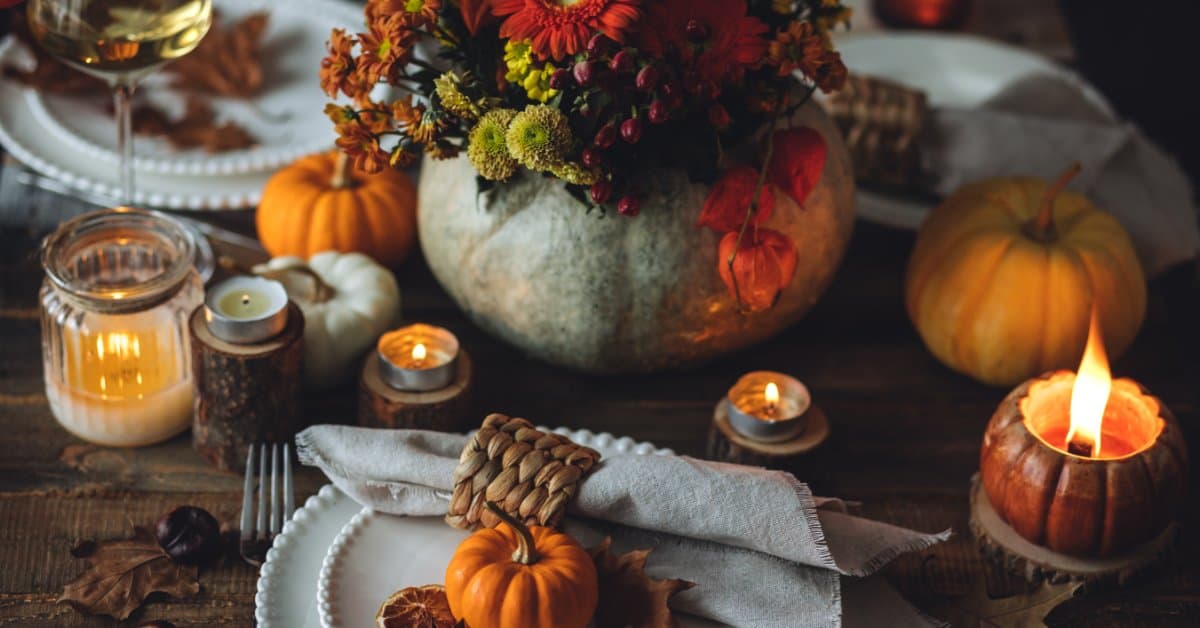
6. Create a Warm Fall Tablescape
Seasonal décor can make your dinner feel special without turning your dining room into a fall display. Small pumpkins, gourds, autumn foliage, herbs, or seasonal flowers can add texture and color. Candles, linen napkins, and simple dinnerware help create warmth as evenings become darker.
Keep centerpieces relatively low so guests can easily see and talk to one another. Keep in mind that you want to avoid heavily scented candles or floral arrangements, as strong fragrances can compete with the aromas of food and wine.
7. Do as Much as Possible in Advance
The more you accomplish before the doorbell rings, the more time you'll have to enjoy your own dinner. Choose dishes you can partially prepare ahead of time, such as soups, braised meats, roasted vegetables, sauces, and desserts. Set the table, arrange serving dishes, and prepare garnishes earlier in the day.
You can organize wine in advance, too. Chill bottles as needed and arrange them in the order you intend to serve them. If you want to share information about the wines, jot down the grape, region, producer, or a reason you selected each bottle.
8. Keep Wine Tasting Fun and Approachable
A wine dinner shouldn't feel like an exam. Instead of worrying about whether guests can identify tasting notes or understand wine terminology, encourage everyone to focus on what they enjoy. Simple questions such as "Which wine works best with this dish?" or "Does the wine taste different with the food?" can spark conversation without pressuring anyone.
The best fall wine dinners balance thoughtful planning with a relaxed atmosphere. Choose seasonal foods you're excited to serve, select wines that complement them, prepare your bottles properly, and take care of as much as possible beforehand. Once your guests arrive, the most important things left to do are to pour a glass, enjoy the meal, and appreciate a cozy fall evening around the table.
Karen Kelly
Karen Kelly is a nationally syndicated food and travel writer, founder of Seasonal Cravings, and co-founder of The Roam Report. She develops approachable seasonal recipes and covers travel and lifestyle trends. Her work has appeared in numerous media outlets, including Yahoo, Taste of Home, Apple News, NBC, FOX, and other national and regional publications.
Tell Us What You Think