
Is rice gluten free? Yes! Plain rice is naturally gluten free, including white, brown, jasmine, basmati, wild, and even sticky rice.
The tricky part isn't usually the rice itself. It's everything that gets added to it. Boxed rice mixes, restaurant fried rice, seasoned rice, and even some rice cereals can contain wheat or barley.
So that bag of plain rice in your pantry? You're good. Check the seasoning packets, sauces, and other added ingredients.
Why Rice Is Gluten Free
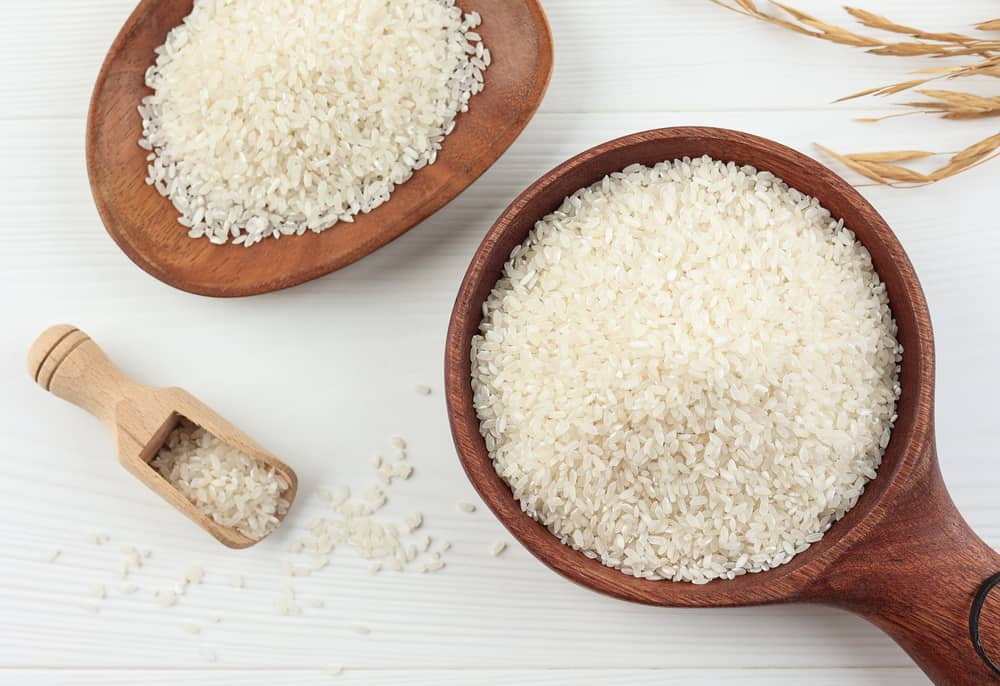
Gluten is a protein found in wheat, barley, and rye. Rice is a completely different grain and doesn't naturally contain gluten.
That's also why rice flour is such a common ingredient in gluten free baking. You'll find white rice flour, brown rice flour, and sweet rice flour in all kinds of gluten free flour blends.
Types of Rice That Are Gluten Free
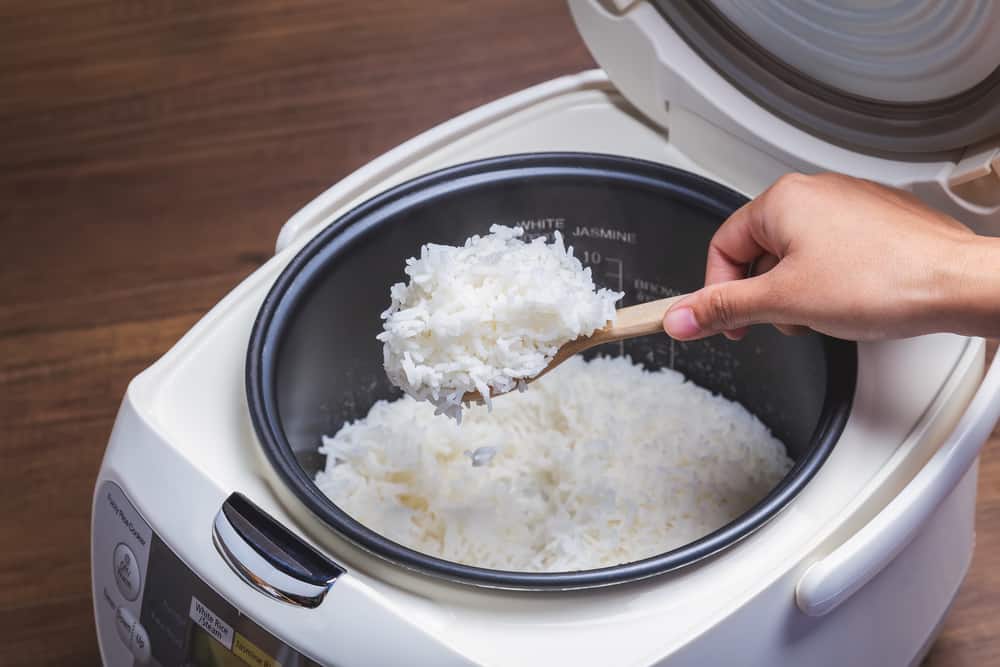
The good news is that all varieties of plain rice are naturally gluten free.
That includes long-, medium-, and short-grain white rice as well as brown rice. Brown rice is simply less processed than white rice, so the bran and germ remain intact.
Jasmine and basmati rice are naturally gluten free, too. Both are long-grain varieties, although jasmine rice is commonly associated with Southeast Asian cooking, while basmati is a staple in Indian and other South Asian dishes. If jasmine is a favorite at your house, I have a complete guide to Is Jasmine Rice Gluten Free.
Arborio rice, which is commonly used to make risotto, is another gluten free option. Sushi rice is naturally gluten free as well, although the ingredients added when making sushi are worth checking.
Black and red rice are naturally gluten free and have a nuttier flavor and chewier texture than white rice. Black rice is especially delicious in salads, like my Black Rice and Spinach Salad.
Wild rice is naturally gluten free, too. Despite its name, it's actually the seed of an aquatic grass rather than a true rice.
Plain instant rice is gluten free, too. Once you get into flavored instant rice, microwaveable rice cups, and boxed mixes, however, you'll need to check the ingredient list.
Is Sticky Rice Gluten Free?
Yes, sticky rice is gluten free.
This can be confusing because sticky rice is also called glutinous rice. Despite the name, glutinous rice doesn't contain gluten. The word "glutinous" refers to its sticky, almost glue-like texture after it's cooked.
That texture comes from the rice's starch, not gluten.
Sweet rice flour, which you may also see sold as mochiko, is made from this type of rice and is naturally gluten free as well.
When Rice Is Not Gluten Free
Plain rice may be naturally gluten free, but rice dishes and packaged rice products aren't automatically safe.
Boxed rice pilaf is a perfect example. Some mixes contain small pieces of pasta, such as vermicelli or orzo, right alongside the rice. Seasoning packets can also contain ingredients derived from wheat or barley.
Restaurant rice takes a little more detective work. Rice pilaf may contain orzo, while seasoned rice may be prepared with broth, bouillon, or seasoning blends that aren't gluten free.
Sauces are another place gluten can sneak in. Soy sauce is a big one, and gravies, cream soups, and other prepared sauces may contain wheat as a thickener or ingredient.
Is Fried Rice Gluten Free?
Fried rice isn't always gluten free, even though the rice itself is.
One main ingredient to watch is soy sauce. Traditional soy sauce is typically made with wheat, so fried rice made with regular soy sauce isn't gluten free.
At home, you can easily make gluten free fried rice using a gluten free tamari or another gluten free alternative. If you're adding oyster sauce or another bottled sauce, check that label too.
Ordering at a restaurant can be trickier because you don't always know which sauces they use. Plain steamed rice is generally a simpler option, and my Gluten Free Chinese Food guide has more tips for navigating the menu.
Are Rice Krispies Gluten Free?
Original Kellogg's Rice Krispies are not gluten free.
Even though they're made primarily from rice, they contain malt flavoring. Malt is typically derived from barley, which contains gluten.
Fortunately, some crispy rice cereals are made without barley malt and labeled gluten free. Look for that gluten free label rather than assuming a cereal is safe just because rice is the first ingredient.
Learn more with my Gluten Free Rice Krispies Treats post.
Are Rice Noodles and Rice Flour Gluten Free?
Plain rice flour, brown rice flour, and sweet rice flour are naturally gluten free and are staples in many gluten free kitchens.
Rice noodles are often gluten free as well, but don't assume every package is the same. Check the ingredient list and, if you need to strictly avoid gluten, look for a gluten free label.
Once you've found a safe package, use those noodles in my Thai Basil Chicken with Rice Noodles.
Can Rice Have Gluten From Cross-Contact?
Although rice doesn't naturally contain gluten, cross-contact can happen during processing, packaging, or preparation.
This is especially important if you have celiac disease or need to strictly avoid even small amounts of gluten. Bulk bins can be a concern because scoops may be shared between different grains and other products.
For extra reassurance, choose packaged rice that's labeled gluten free. In the United States, FDA rules require foods labeled "gluten-free" to contain less than 20 parts per million (ppm) of gluten.
Cross-contact can also happen in your own kitchen. Using a shared colander, serving spoon, or cooking surface that has come into contact with gluten-containing foods can introduce gluten into an otherwise gluten free meal.
How to Buy Gluten Free Rice
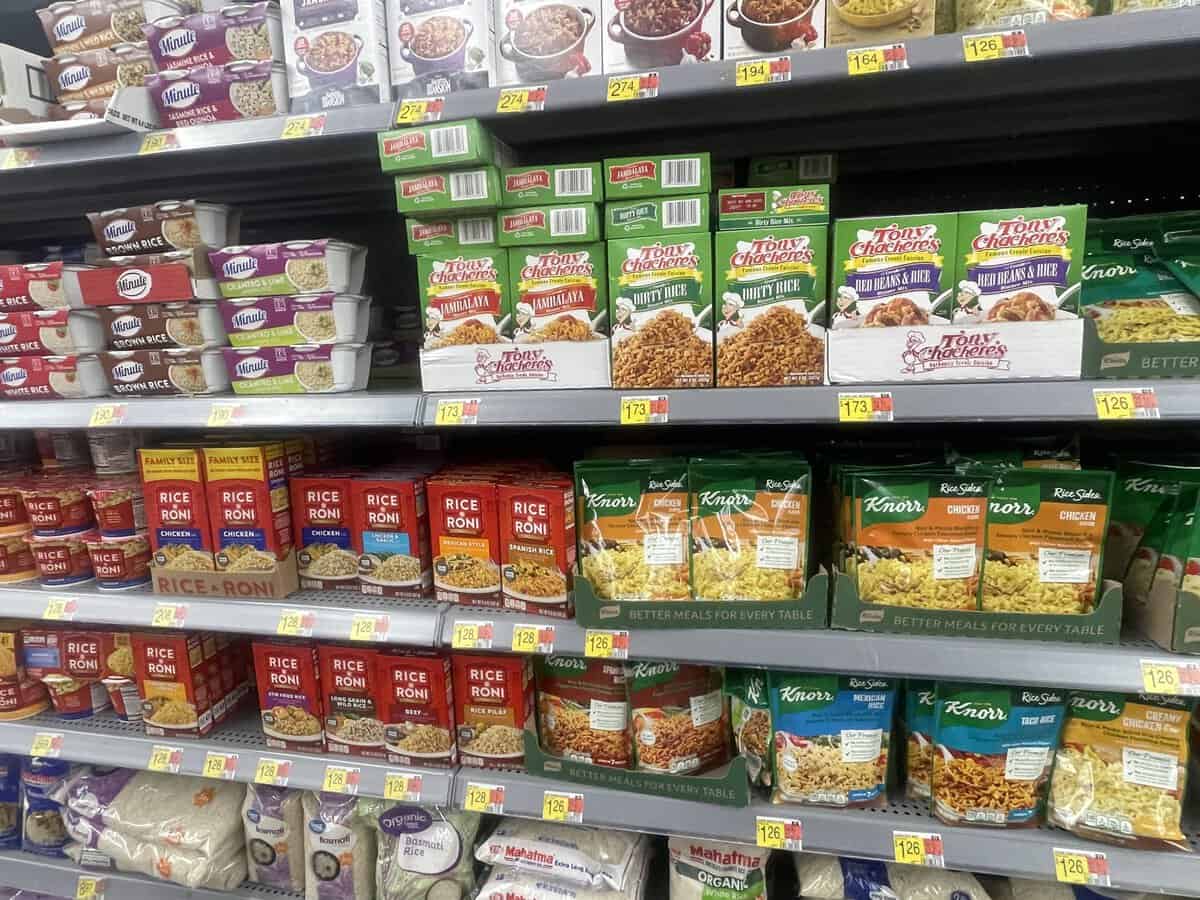
Shopping for gluten free rice is pretty straightforward once you know what to look for.
Start with plain rice rather than seasoned varieties. If you have celiac disease or are particularly sensitive to gluten, choosing a package labeled gluten free provides extra reassurance.
Be more careful with anything flavored or seasoned, including microwaveable rice cups, boxed rice mixes, and ready-to-eat rice dishes. Read both the ingredient list and allergen information rather than relying on the word "rice" on the front of the package.
Rice Recipes to Try
My Fall Wild Rice Salad is packed with texture and makes a great seasonal side dish. Baked Salmon with Black Rice is an easy way to turn black rice into a complete dinner.
For a lighter take on fried rice, try my Cauliflower Chicken Fried Rice.
And if you're just getting started with gluten free eating, my Gluten Free Diet Plan for Beginners and Gluten Free Foods List are good places to start.
Rice and Gluten FAQ
Plain white rice is naturally gluten free. This includes long-, medium-, and short-grain white rice.
Brown rice is naturally gluten free. It's the same grain as white rice but retains its bran and germ.
Plain basmati rice is naturally gluten free. Check the ingredient list if you're buying a flavored or seasoned variety.
Not always. Rice pilaf may contain orzo, vermicelli, or other wheat-based pasta, and packaged versions can contain gluten in their seasoning mixes. Check the label or ask how the restaurant prepares rice pilaf.
Risotto can be gluten free because Arborio rice doesn't contain gluten. Check the broth and any other ingredients added to the dish, especially when ordering it at a restaurant.
The rice itself is gluten free, but sushi requires a little more caution. Sauces, imitation crab, tempura, and regular soy sauce can contain gluten, so check the whole dish, not just the rice.
Plain ones usually are, since most are just puffed rice and salt. Flavored rice cakes can have extra ingredients, so check the label for gluten free wording. Lundberg's lightly salted brown rice cakes are certified gluten free, and they're the ones I keep in my pantry. Quaker labels its large rice cakes as gluten free too, including flavors like caramel and chocolate, though they aren't third-party certified.
All varieties of plain rice are naturally gluten free, including white, brown, jasmine, basmati, Arborio, black, red, and sticky rice.

Karen Kelly
Karen Kelly is a nationally syndicated food and travel writer, founder of Seasonal Cravings, and co-founder of The Roam Report. She develops approachable seasonal recipes and covers travel and lifestyle trends. Her work has appeared in numerous media outlets, including Yahoo, Taste of Home, Apple News, NBC, FOX, and other national and regional publications.
Tell Us What You Think